Batik
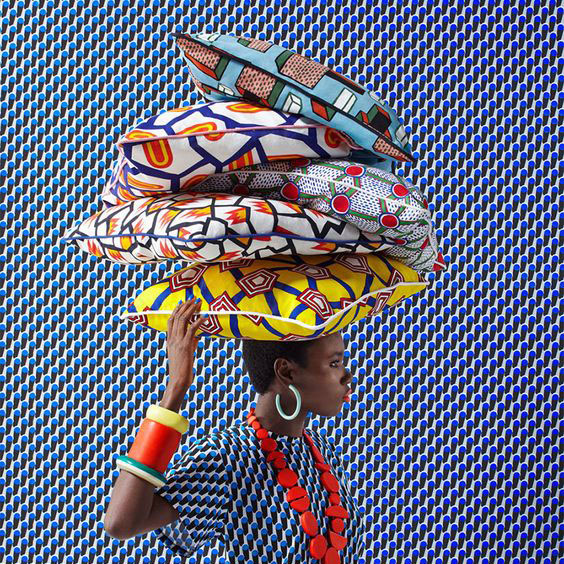
Batik, an ancient anti-dyeing technique, was anciently known as "wax printing". Along with the tie-dye and clamping, it is one of the three basic types of ancient Chinese dyeing techniques. Named after beeswax used as an anti-dyeing agent, it has a history of over two thousand years. Batik products are characterized by full patterns and rich layers. The patterns of batik are mainly flowers, trees, and geometric shapes, with appropriate insects, fish, birds, and beasts.

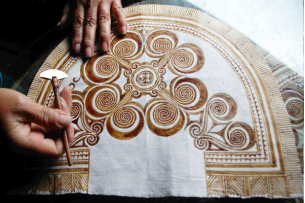
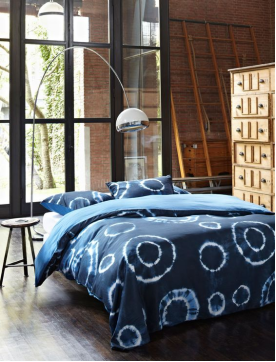
The charm of batik not only lies in its exquisite patterns but also in the cracks formed on the fabric after the wax cools down. When the dye penetrates into these cracks, it creates various color patterns known as "ice cracks". Even with the same pattern design, different "ice cracks" can be achieved after the batik process. Therefore, "ice cracks" are considered a unique and iconic feature of batik handicrafts, regarded as the "soul" of batik
.
The fabrics used for batik painting are traditionally made of white handmade cotton cloth from the countryside, but modern techniques also allow the use of machine-made white cloth, cotton silk, and poplin. The anti-dyeing agent is mainly yellow wax, or beeswax, sometimes mixed with white wax for richer effects. Beeswax, a secretion from the wax glands of bees' abdomens, is insoluble in water but can be easily melted when heated, making it an indispensable anti-dyeing agent in the batik process.
The dyes used for batik are mostly produced from indigo in Guizhou Province. Guizhou is renowned for its production of blue grass, a species of Polygonaceae with stems about two to three feet tall. When July arrives, it blossoms with beautiful flowers, and in August, its leaves are harvested and fermented to produce indigo.
The fabrics used for batik painting are traditionally made of white handmade cotton cloth from the countryside, but modern techniques also allow the use of machine-made white cloth, cotton silk, and poplin. The anti-dyeing agent is mainly yellow wax, or beeswax, sometimes mixed with white wax for richer effects. Beeswax, a secretion from the wax glands of bees' abdomens, is insoluble in water but can be easily melted when heated, making it an indispensable anti-dyeing agent in the batik process.
The dyes used for batik are mostly produced from indigo in Guizhou Province. Guizhou is renowned for its production of blue grass, a species of Polygonaceae with stems about two to three feet tall. When July arrives, it blossoms with beautiful flowers, and in August, its leaves are harvested and fermented to produce indigo.
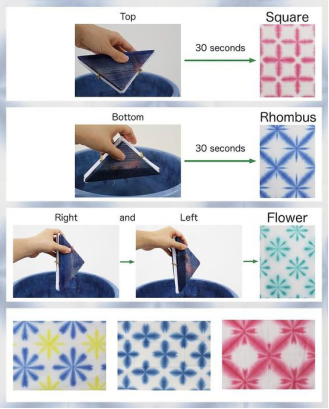
Master batik artists can create complex patterns through color layering and use the "ice cracks" effect of the wax to leave fine lines for pattern details, giving the works a unique charm. Even without master-level skills, ordinary people can still create beautiful batik works by using minimal materials and exerting their creativity.
Even with just one room, private spaces can be created through clever design and layout.
Innovative folded towel